
RSA Self Storage Biz Forum 2025: When Japan Gathers, Asia Pays Attention
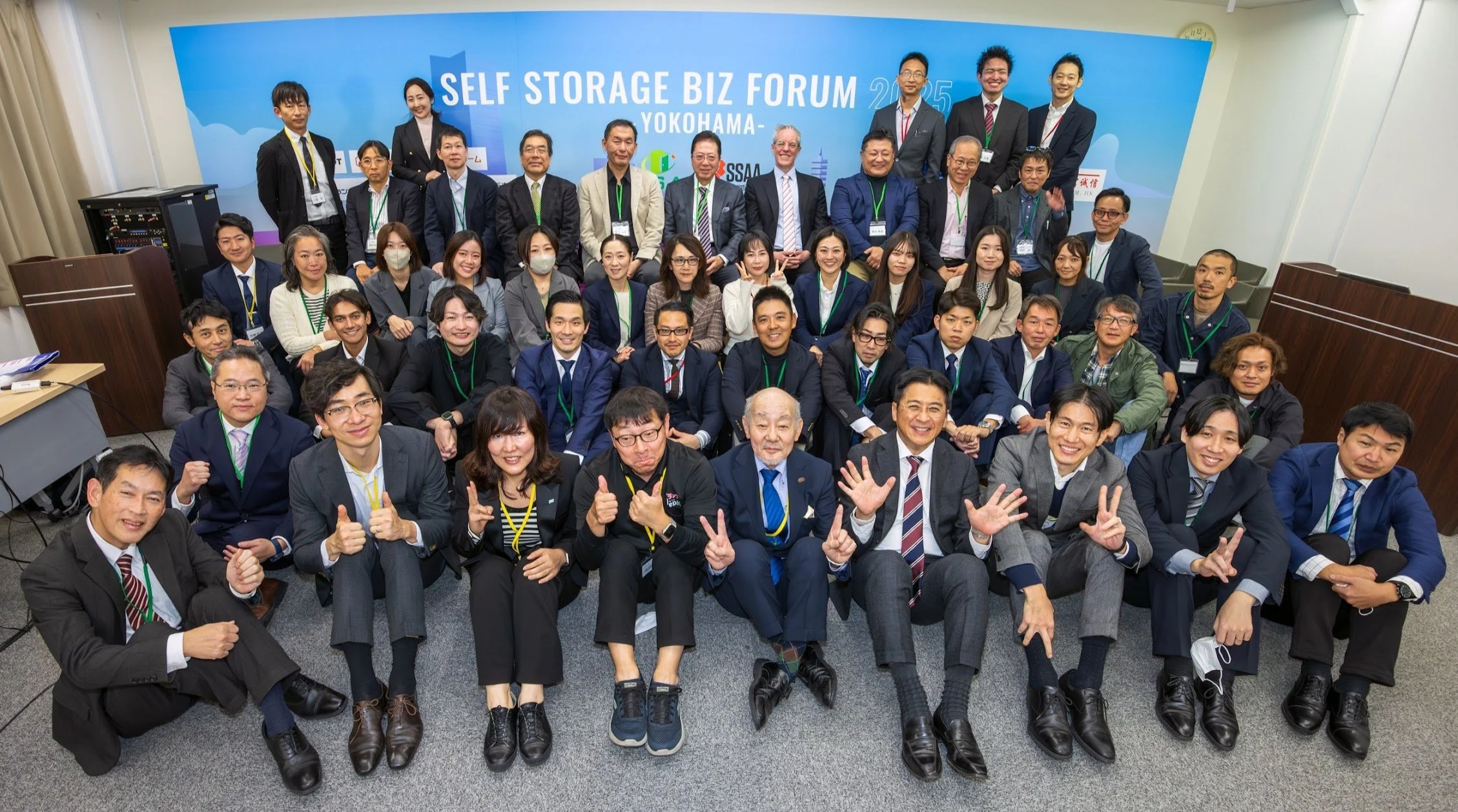
When Japan’s self storage industry gathers, the rest of Asia listens.
Held on 13–14 November 2025 in Yokohama, the RSA Self Storage Biz Forum 2025 marked a significant moment not only for Japan, but for the wider Asia-Pacific self storage landscape. Organised by the Rental Storage Association (RSA) with support from the Self Storage Association Asia (SSAA), the Forum brought together CEOs of Japan’s largest operators, senior executives, emerging leaders, and an international line-up of speakers and sponsors to debate the future of the industry—and to strengthen the relationships that will shape its next phase.
Japan accounts for roughly half of Asia’s self storage market by scale and maturity. As such, moments like this matter. The decisions, debates, and directions discussed in Japan often ripple outward, influencing investment flows, operating models, and technology adoption across the region.
This year’s Forum carried added significance as it was RSA’s first annual conference held outside Tokyo, signalling both confidence and intent as the industry looks beyond traditional centres and toward a more outward-facing, regionally connected future.
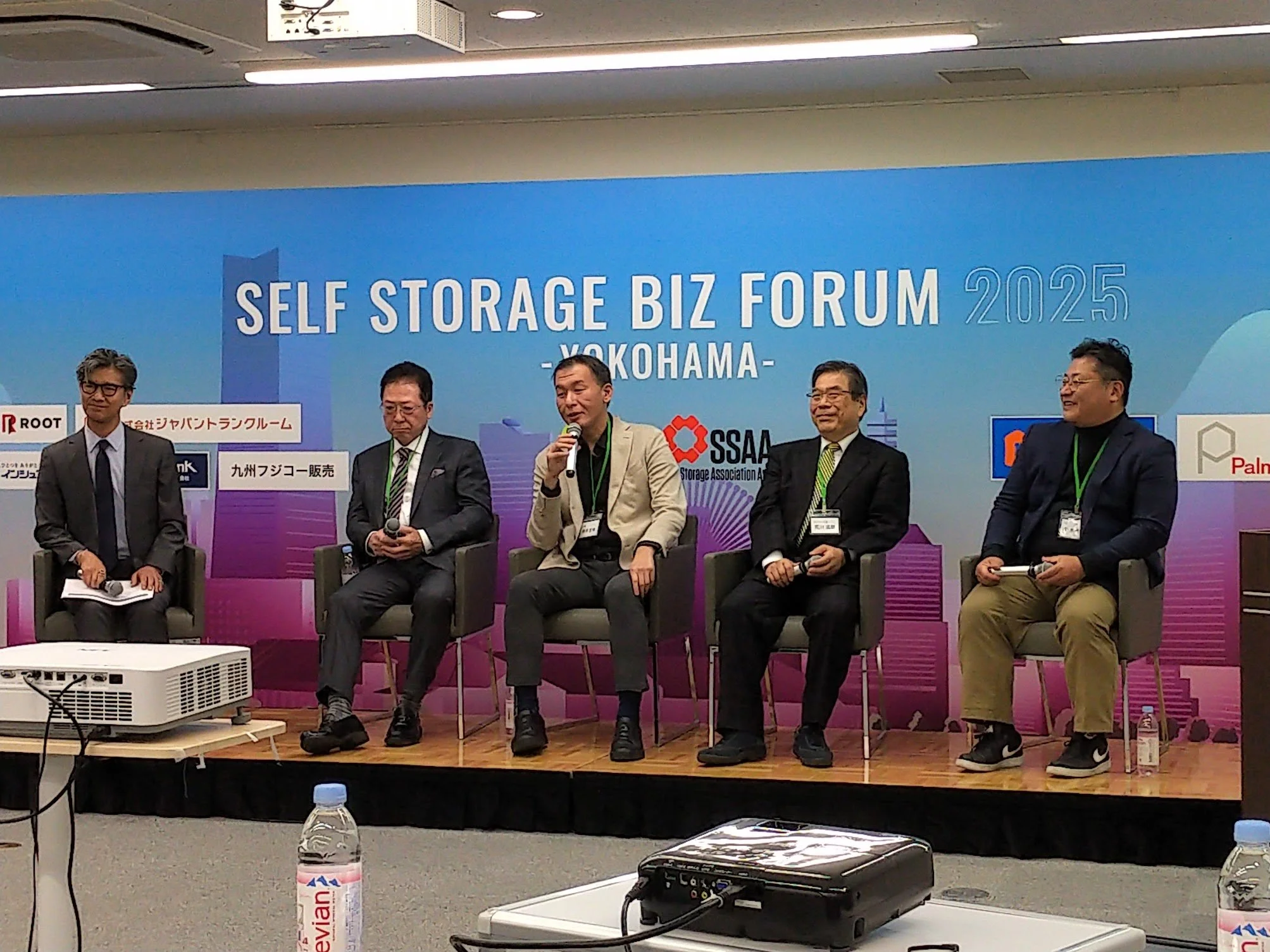
CEOs in the Room: A Market Takes Stock
On 14 November, the Forum moved to the AP Yokohama Conference venue, where the agenda turned decisively toward strategy, leadership, and the future of self storage in Japan and Asia.
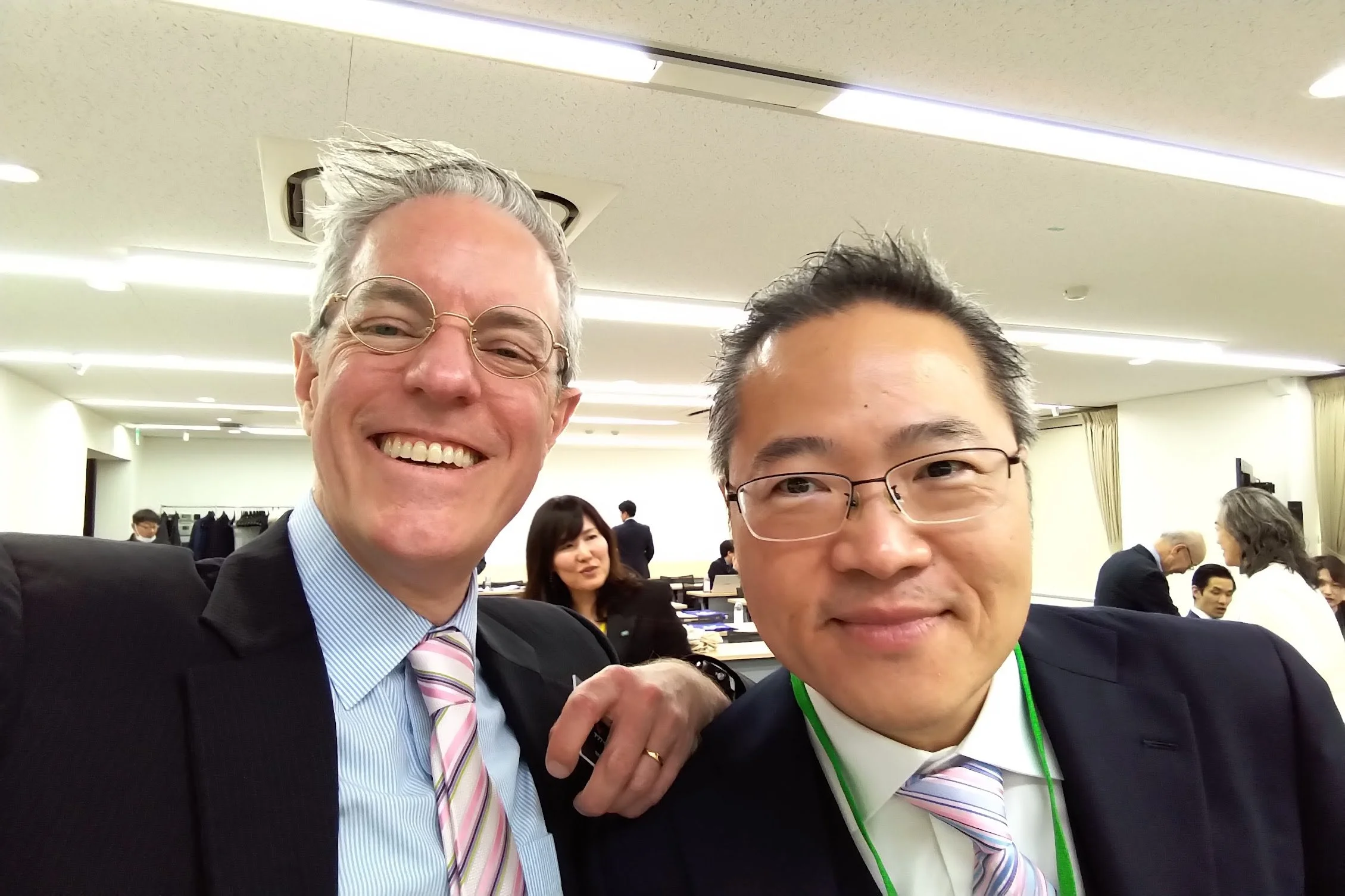
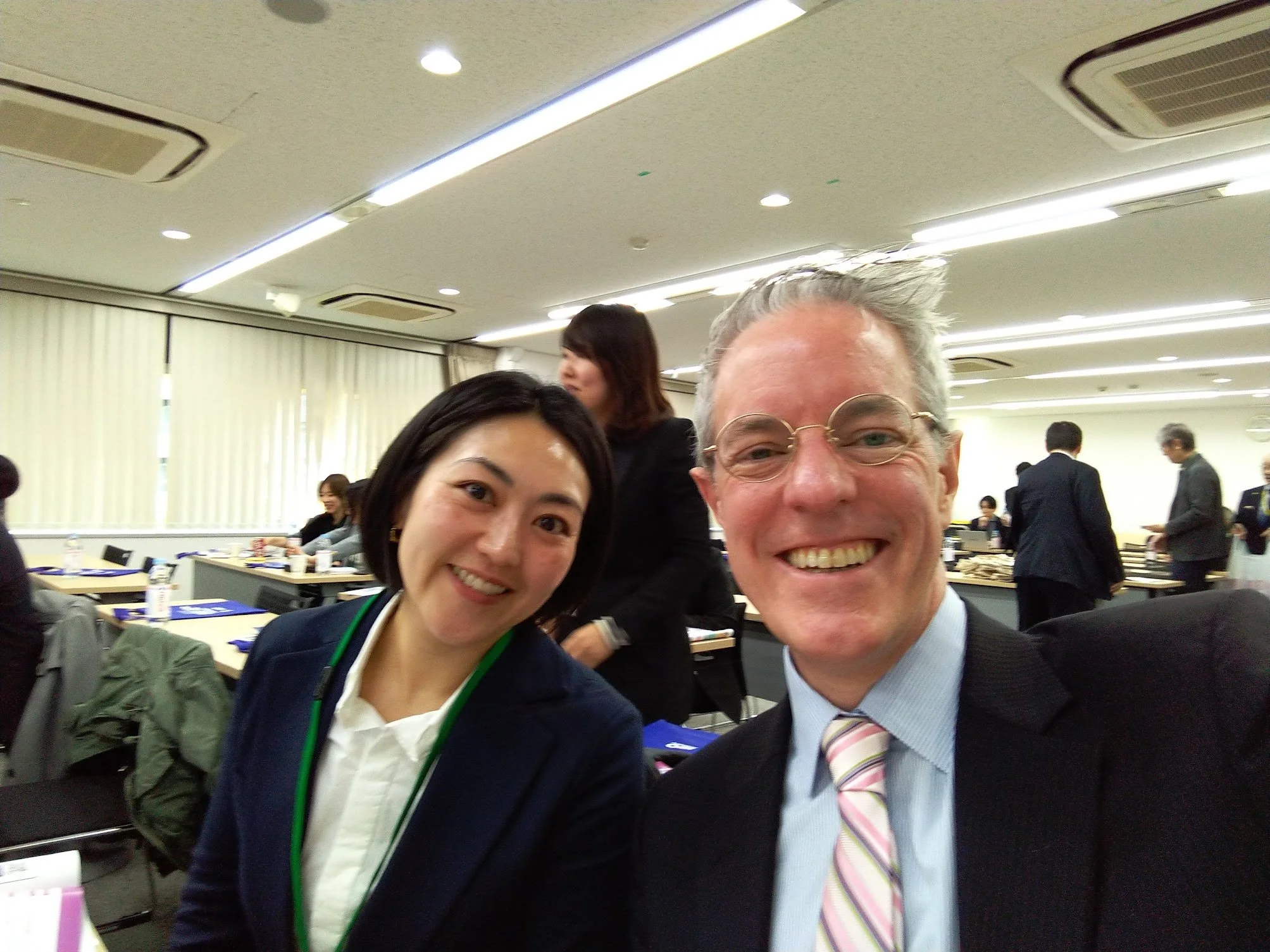
One of the most striking aspects of the day was who was in the room. CEOs of Japan’s largest self storage firms were present alongside senior decision-makers, rising managers, and international guests. This was not a theoretical discussion about the industry—it was a conversation among those actively shaping it.
Sessions explored the future of the self storage business through the lens of leadership, addressing how operators are responding to cost pressures, changing customer expectations, and the need for operational resilience. Speakers were candid about challenges, from construction costs and labour shortages to the complexities of scaling within Japan’s regulatory environment.
At the same time, there was clear optimism. Demand fundamentals remain strong, underpinned by urbanisation, lifestyle shifts, and long-term demographic trends. The question is no longer whether the sector will grow, but how it will grow—and at what pace.
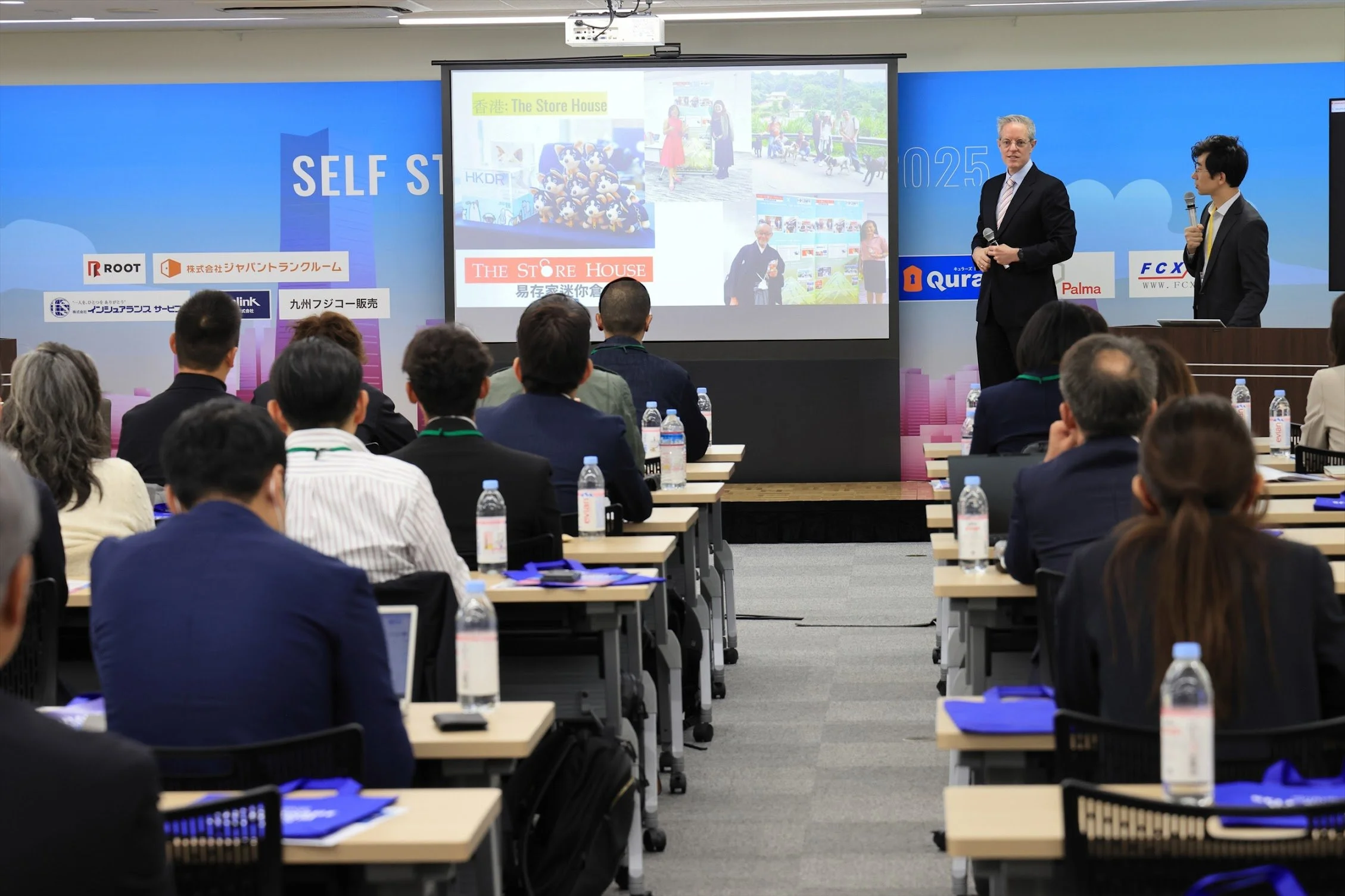
Investment, Discipline, and Long-Term Thinking
A central theme of the Forum was investment attractiveness and discipline within Japan’s trunk room business. Japan continues to attract attention from domestic and international capital, yet speakers emphasised that success in this market requires patience, local knowledge, and a long-term view.
Discussions moved beyond headline yields to examine asset quality, portfolio optimisation, and risk management. Several speakers highlighted that Japan rewards operators who prioritise stability, brand trust, and operational excellence over rapid expansion.
This perspective resonated strongly with international attendees, many of whom noted that Japan’s approach offers valuable lessons for other Asian markets as they mature. In an era of rising interest rates and heightened scrutiny, sustainable growth models are becoming increasingly important across the region.
ESG, Well-being, and the Expanding Role of Self Storage
Those model were examined as The Forum also addressed ESG and well-being, reflecting a growing recognition that self storage plays a broader role within urban ecosystems. Topics included energy efficiency, responsible development, and how facilities can integrate more harmoniously into residential and commercial neighbourhoods.
Well-being was discussed from multiple angles—customers, employees, and communities—highlighting that the industry’s long-term licence to operate depends not only on profitability, but on social relevance and trust.
These conversations aligned closely with trends seen across Asia, where regulators, investors, and customers are increasingly attentive to how businesses contribute beyond their core services.
Technology, AI, and the Limits of Automation
Technology featured prominently throughout the programme, with sessions covering IT systems, AI applications, and digital transformation. However, the tone was pragmatic rather than evangelical.
Speakers acknowledged the growing role of automation, data analytics, and AI-driven tools in areas such as pricing, forecasting, and customer communication. At the same time, there was broad agreement that technology must be implemented in ways that respect local customer expectations.
In Japan, where service quality and responsiveness are deeply valued, technology is seen as a support system—not a substitute for human judgment. The discussion underscored a broader point relevant across Asia: successful digital transformation is contextual, not generic.
From the Ground Up: Understanding Japan’s Market Reality
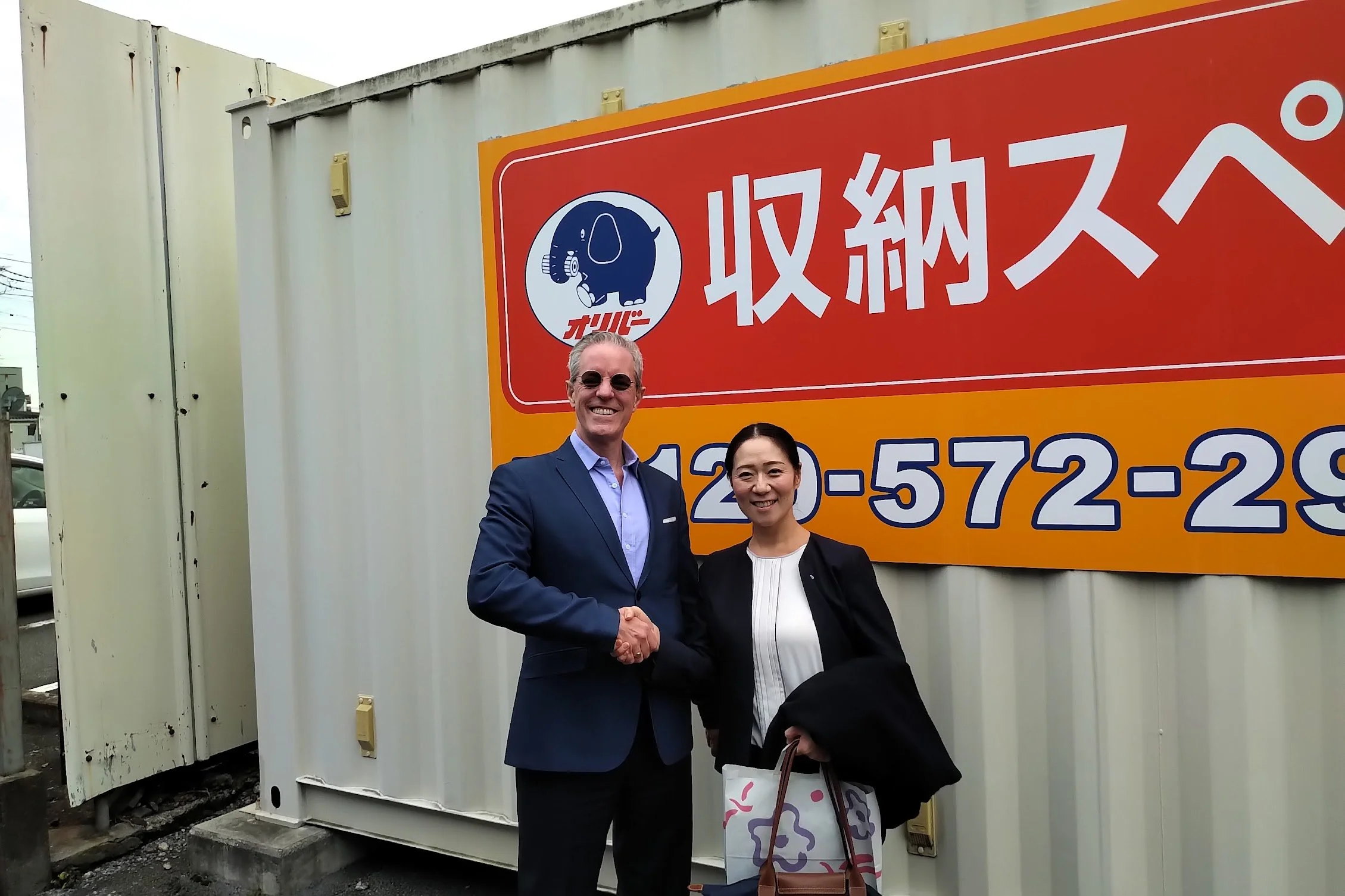
The Forum opened on 13 November with a self storage facility tour across Kanagawa Prefecture, offering participants the opportunity to experience Japan’s trunk room business at street level. With a capped capacity of 80 attendees, the tour fostered close observation and candid discussion around design, operations, and customer behaviour.
For international delegates, the site visits reinforced why Japan remains such a distinctive market. Smaller unit sizes, meticulous attention to cleanliness and safety, and a strong emphasis on neighbourhood compatibility stood out as defining characteristics. One thing that might surprise those ex-Japan, is that they don’t always have access control, especially for larger container-style storage. People can walk off the street and knock on the door. But in Japan, no problem. These are not merely aesthetic choices, but reflections of deep-rooted consumer expectations and regulatory realities.
For domestic participants, the tour prompted a different set of reflections—how to continue improving efficiency and scalability within tight urban constraints, and how to balance automation with the high service standards Japanese customers expect.
Importantly, the conversations on the tour buses often proved just as valuable as those on-site. Operators compared notes on land strategy, pricing discipline, labour challenges, and long-term asset management—topics that would surface again during the Forum’s main sessions.
Building Relationships Beyond the Boardroom
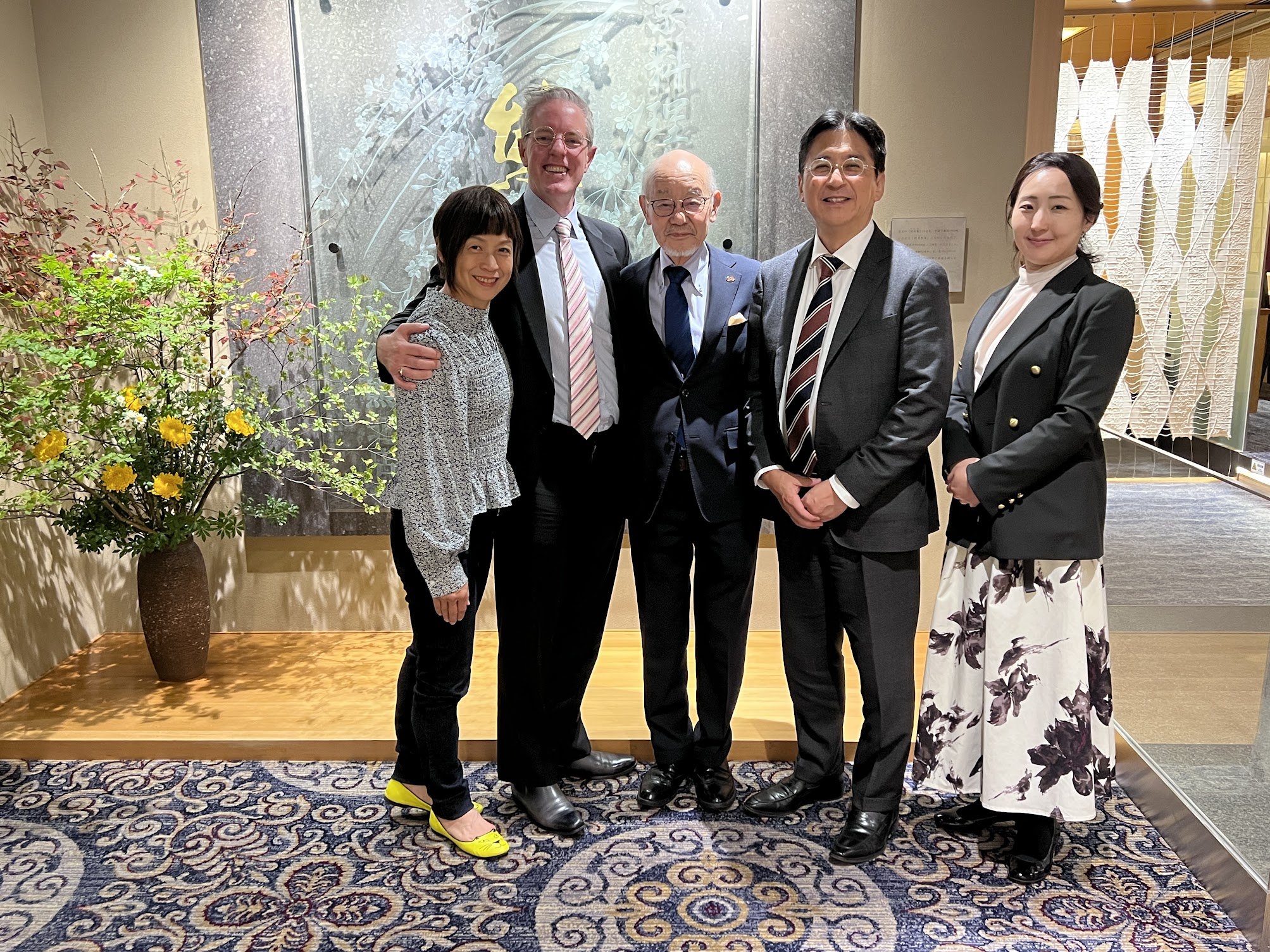
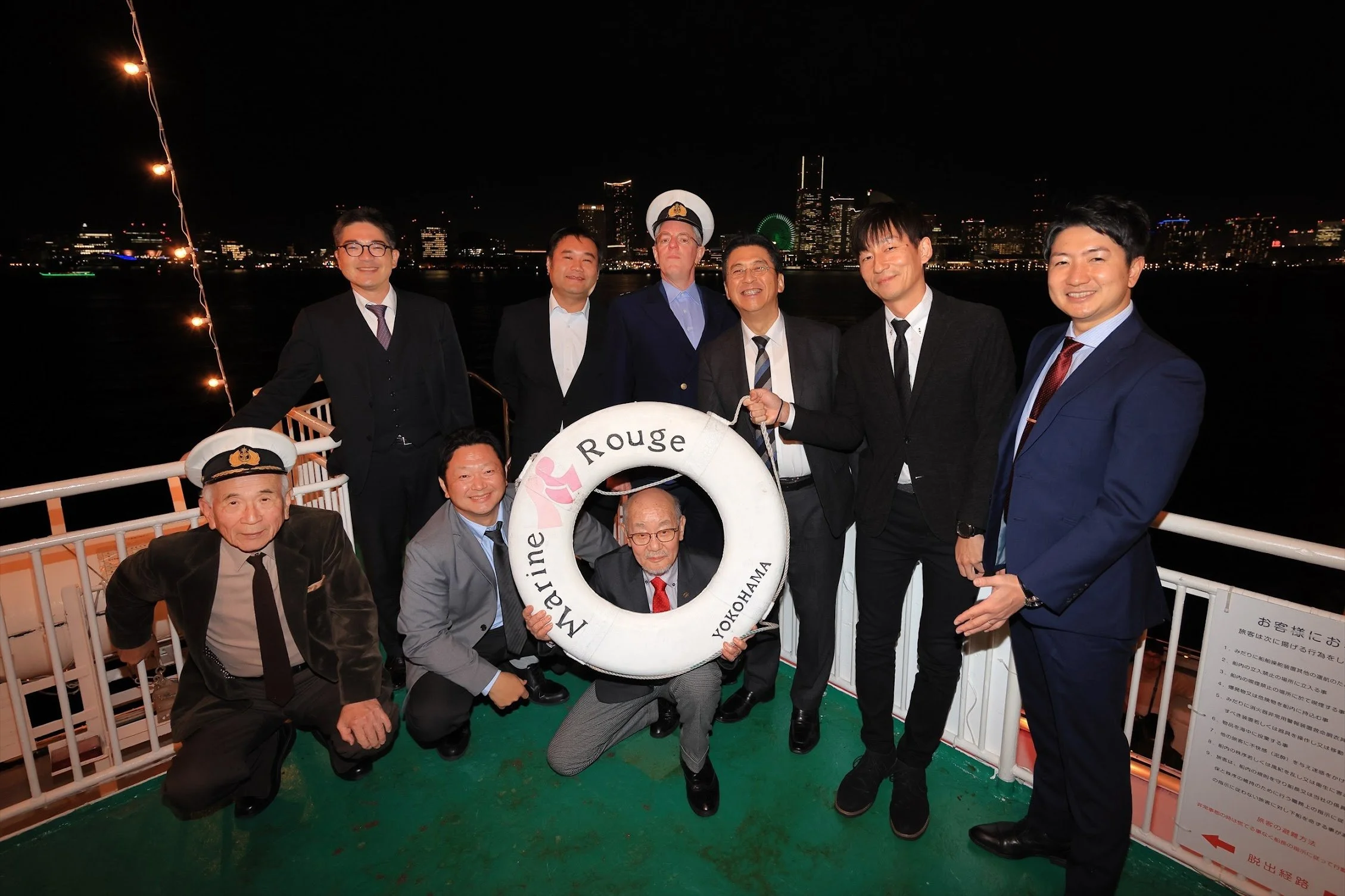
That evening, discussions continued aboard the Marine Rouge, which hosted a networking dinner cruise departing from Yokohama’s iconic waterfront. Against the backdrop of the city skyline and harbour lights, the dinner provided space for informal exchange among CEOs, C-level executives, and next-generation leaders from across Japan and beyond.
Moments like these matter. In an industry where trust, partnerships, and shared understanding underpin long-term success, the ability to speak openly—away from slides and stage lights—often leads to the most meaningful connections.
The choice of venues, including visits such as the Shin-Yokohama Ramen Museum, reflected RSA’s thoughtful approach to hospitality: professional, but never sterile; serious about business, but not at the expense of enjoyment. As several attendees noted, the Forum struck a rare balance between learning, networking, and genuine fun.
Why This Forum Mattered
The RSA Self Storage Biz Forum 2025 was not just another industry event. It was a statement of confidence from Japan’s self storage sector, and a reminder of its central role within Asia’s growth story.
By bringing together senior leadership, emerging talent, and international perspectives—outside Tokyo, and in a setting designed to encourage real dialogue—RSA created a platform that went beyond information-sharing. It fostered alignment, challenged assumptions, and strengthened the relationships that underpin a healthy, forward-looking industry.
As Asia’s self storage market continues to evolve, what happens in Japan will continue to matter. This Forum made that clear—and set a strong benchmark for future industry gatherings.
